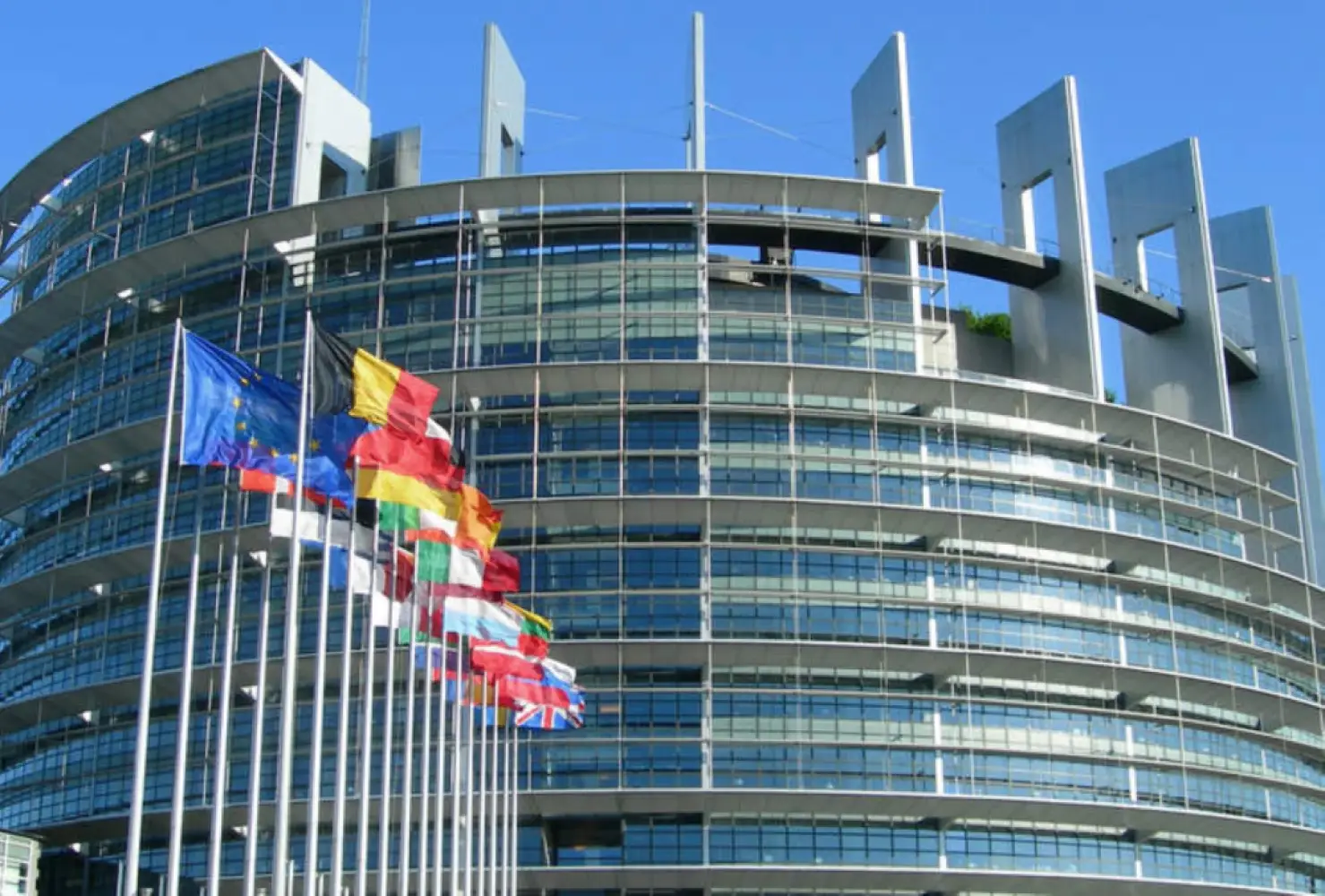
EU Parliament Delays Deforestation-Free Supply Chain Law to 2026
Editor WoodBusinessPortal.com team - research, 2026 - January, 13
The European Parliament has agreed to postpone the enforcement of the deforestation-free supply chain regulation (EUDR) to 2026, giving producers, importers, and traders of wood-related products additional time to adapt their compliance systems. The delay reflects concerns raised by industry groups, Member States, and non-EU exporters regarding the availability of risk-assessment data, traceability readiness, and administrative capacity. For professionals in the wood industry, forestry, timber processing, biomass supply, and global trade, the new timeline provides temporary relief—but also confirms that stricter due-diligence obligations will soon become unavoidable.
What the delay means for the wood and timber sector? Under the EUDR, companies placing products such as timber, plywood, paper, wooden furniture, charcoal, pellets, biomass fuels, and mixed wood derivatives on the EU market must prove:
• full geolocation traceability to the plot of origin,
• no deforestation or forest-degradation after December 2020,
• legal harvesting and land-use compliance,
• risk-mitigation procedures before import/export clearance.
The postponement to 2026 aims to prevent market disruptions expected in 2024–2025, especially for suppliers from Brazil, Indonesia, Vietnam, Ukraine, and China, where small and medium forestry producers require more time to meet EU documentation standards.
Market impact: prices, sourcing decisions, and trade flows:
Short-term (2024–2025):
• Prices for certified timber (FSC/PEFC) remain strong due to stable EU demand.
• Non-certified softwood and hardwood suppliers may see temporary relief, as importers face reduced legal risk.
• Larger EU companies continue preparing compliance systems despite the delay, locking in low-risk suppliers early.
Medium-term (2026 onward):
• Higher administrative costs for EU importers and sawmills.
• Increased value for fully traceable wood, pellets, biomass, and panel products.
• Potential reorientation of EU sourcing toward low-risk countries, pressuring exporters from high-risk regions.
Effects on biomass, pellets, and engineered wood markets. With the EU doubling down on the Green Deal and RED III targets, demand for:
• wood pellets,
• wood chips,
• engineered wood (CLT, glulam),
• softwood lumber,
• panel products (MDF, HDF, OSB)
is expected to remain stable or increase.
However, once EUDR is fully enforced in 2026, suppliers unable to provide plot-level traceability may lose access to the EU market—affecting global availability and price volatility.
Analysts predict:
• pellet prices stabilizing around 260–330 €/t for premium grades,
• softwood lumber between 150–210 €/m³,
• hardwood (oak, beech) in the 350–600 €/m³ range,
• potential tightening of supply for legal, traceable tropical timber.
Predictions for 2026–2028. Industry experts expect:
• increased costs, estimated at 4–8% for importers
• supply-chain consolidation, favouring large exporters with mature compliance systems
• strong growth in digital forest-origin platforms and geolocation technologies
• declining EU imports from high-risk regions without national traceability programs
• rising competitiveness of European and low-risk certified suppliers.
The delay does not change the strategic direction of EU policy: the regulatory environment will become stricter, not looser.
How WoodBusinessPortal.com supports companies preparing for EUDR? As regulatory pressure increases, www.WoodBusinessPortal.com helps wood-industry professionals by offering:
• market intelligence on wood, timber, pellets, biomass, plywood, sawnwood
• updates on EU import rules, EUDR compliance, and due-diligence requirements
• B2B listings allowing importers/exporters to find low-risk or certified suppliers
• analytics on global trade flows, price trends, and sourcing opportunities
• visibility SEO-optimized for companies in the wood value chain
The portal serves as a strategic tool for suppliers and buyers preparing for the 2026 EUDR enforcement.
Sources:
1. europarl.europa.eu
2. environment.ec.europa.eu
3. fao.org
4. itto.int