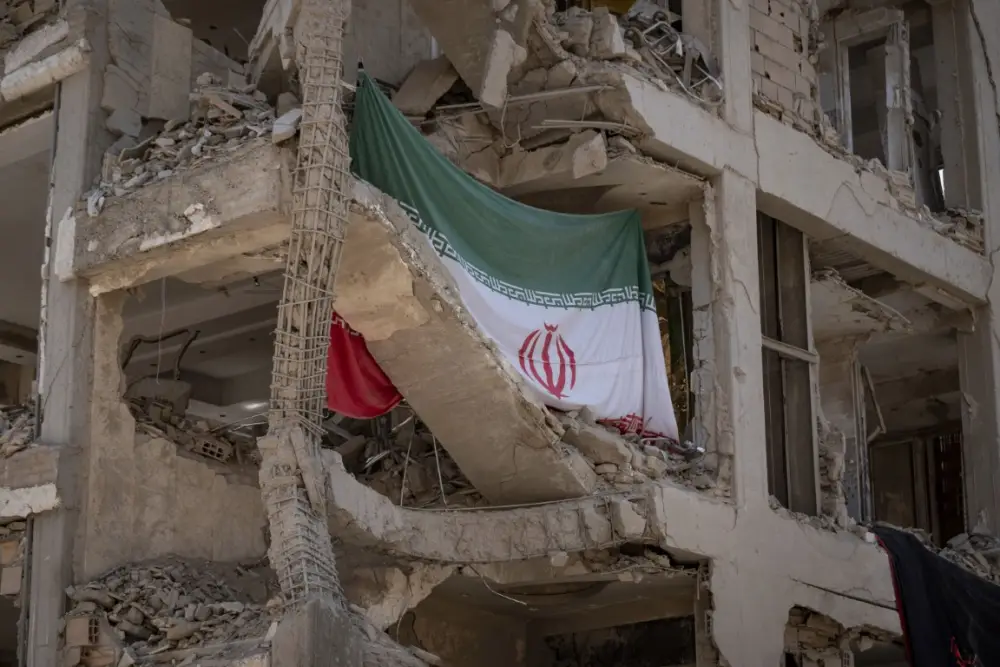
The Iran Conflict Is Also Impacting Europe`s Wood Industry - Effects, Risks and Trends
Editor WoodBusinessPortal.com team - research, 2026 - April, 7
The escalation of the conflict in Iran is generating global economic effects, and Europe’s wood industry is no exception. For a sector heavily dependent on energy, logistics, and international supply chains, geopolitical instability in the Middle East has become a major risk factor.
The Middle East plays a strategic role in:
• global oil and gas production and exports
• key maritime trade routes
• stability of energy markets.
Any major conflict involving Iran or the Persian Gulf region leads to:
• rising energy prices
• increased volatility in global markets
• disruptions in maritime transport.
These effects quickly propagate into the European economy, including the forestry and wood sector.
Impact on Europe’s Wood Industry
1. Rising Energy Costs
The wood industry is highly energy-intensive, especially in:
• timber drying processes
• industrial wood processing
• production of panels and furniture.
Increased oil and gas prices result in:
• higher production costs
• reduced profit margins
• upward pressure on final product prices.
2. Increased Logistics and Transport Costs
Wood products trade relies heavily on global logistics:
• higher maritime freight rates
• delivery delays
• more expensive alternative routes.
For European companies, this translates into reduced competitiveness in international markets.
3. Supply Chain Volatility
The wood industry depends on imported materials and equipment:
• resins, adhesives, components
• machinery and spare parts.
The conflict may lead to:
• supply disruptions
• increased input costs
• difficulties in production planning.
According to Eurostat and market analyses:
• the EU wood industry generates tens of billions of euros annually
• exports of furniture and wood products are critical for trade balance
• energy costs are a key competitiveness factor.
In the context of the Iran conflict, the following trends are emerging:
• rising prices for wood products
• shift toward localized production and shorter supply chains
• accelerated investments in energy efficiency.
Risks for European Companies
Key risks include:
• declining demand due to inflation
• reduced investments in construction and furniture
• contractual instability
• dependency on external suppliers.
Emerging Opportunities
At the same time, new opportunities are arising:
• increased demand for local and sustainable products
• development of alternative energy sources (biomass, renewables)
• digitalization and optimization of logistics chains.
Industry Outlook
In the medium term, Europe’s wood industry will need to adapt by:
• reducing dependence on fossil energy
• diversifying export markets
• improving operational efficiency
• integrating advanced technologies.
The Iran conflict is accelerating these transformations and highlighting structural vulnerabilities in the sector.
Conclusion. Although geographically distant, the conflict in Iran has a direct impact on Europe’s wood industry. Rising energy and logistics costs, combined with market volatility, are forcing companies to rethink their strategies to remain competitive in an increasingly unstable economic environment.
For real-time market insights, pricing trends, global trade data, and business opportunities in the wood industry:
👉 Visit WoodBusinessPortal.com
👉 Connect with international buyers, suppliers, and industry professionals
👉 Access reports, news, and strategic analysis
WoodBusinessPortal.com - your global B2B hub for the wood industry.
Sources:
1. Eurostat
2. International Energy Agency (IEA)
3. European Commission – economic and energy reports