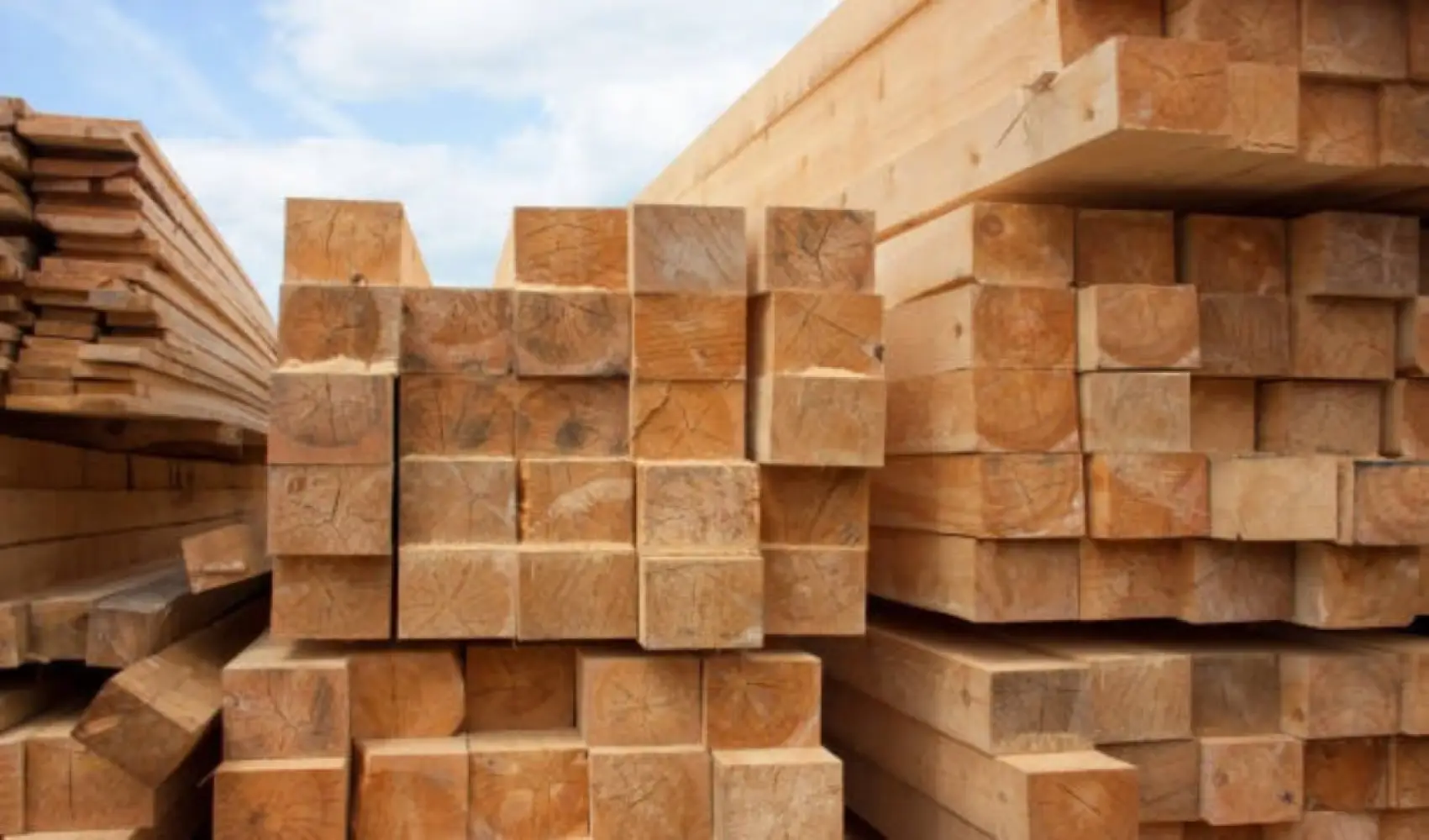
European Union`s Densified Wood Market Set to Reach 575 000 Tons and $774 Million by 2035
Editor WoodBusinessPortal.com team - research, 2026 - June, 23
The densified wood market in the European Union — including products such as compressed wood pellets, briquettes, and engineered densified biomass — is projected to experience significant growth over the next decade. Industry forecasts indicate that by 2035 the EU densified wood sector could deliver approximately 575 000 tons of product annually and revenues approaching USD 774 million. This expansion reflects increasing demand across biomass energy, industrial heating, and sustainable fuel markets. For timber processors, biomass producers, trading houses, and B2B wood supply chain operators, understanding the drivers, pricing dynamics, import/export trends, and long-term forecasts for densified wood is critical to strategic planning and competitive positioning.
Market Growth Drivers: Sustainability, Energy Demand & Policy. Several factors underpin the anticipated expansion of the EU densified wood market:
• Renewable energy policies: EU climate targets and Renewable Energy Directive (RED III) incentivize biomass as part of the renewable energy mix.
• Decarbonization pressures: Industries and utilities seek lower-carbon fuels, increasing demand for densified biomass over fossil alternatives.
• Consumer and commercial heating: A growing share of residential and commercial heating is shifting toward pellet and briquette systems for efficiency and sustainability.
• Supply chain optimization: Advancements in compression and densification technology reduce storage and transport costs, improving competitiveness.
Forecasts suggest steady annual growth rates across major EU markets (Germany, France, Italy, Spain, and the Nordic countries), particularly where biomass infrastructure and incentives are already established.
Key categories in the EU densified wood market include:
• Wood pellets: Standardized biomass fuel for industrial and residential boilers
• Wood briquettes: High-density fuel for stoves and furnaces
• Compressed wood chips / engineered biomass blocks: Specialty products for niche heating and industrial applications.
Each segment differs in density, calorific value, quality standards and price points, but all are derived from residual wood streams (sawdust, shavings, chips) — enhancing sustainability and value capture in the wood processing chain.
Economic Forecast: Volume and Value to 2035. Recent market analysis projects the following EU densified wood market trajectory:
Year Annual Volume (Tons) Estimated Market Value (USD Millions)
2025 320 000 430
2030 450 000 620
2035 575 000 774
Figures are approximate and reflect compounded annual growth influenced by policy, energy demand, and investment trends. This anticipated growth highlights not only increased production capacity but also rising commercial adoption and export potential for EU densified wood products.
Densified wood pricing is influenced by:
• Feedstock availability: Softwood and hardwood residual streams
• Biomass demand cycles: Industrial vs residential uptake
• Logistics costs: Transport distances and storage capacity
• Quality standards: ENplus, DINplus, and other certification premiums.
European pellet prices have historically fluctuated in relation to roundwood and sawmill by-product availability, with periodic seasonal peaks during winter and energy pricing volatility. Industry sources report that quality pellets currently trade at a premium in comparison to lower-grade densified fuels, reflecting compliance with higher specification standards.
The EU densified wood market remains a net importer of certain pellet and briquette categories. Key trade patterns include:
• Imports from North America: High-grade pellets for industrial use
• Exports to Asia: Select engineered densified wood products
• Intra-EU trade: Germany, Austria, and Scandinavia act as major hubs.
Trade data from international commodity databases indicate sustained demand for EU exports of densified biomass to non-EU markets, balanced against strategic imports where domestic production cannot fully meet industrial-scale requirements.
Sustainability frameworks — including the EU Timber Regulation (EUTR), Renewable Energy Directive (RED III), and national biomass quality standards (ENplus/DINplus) — influence market acceptance and pricing. Compliance with these standards supports traceability, lifecycle emissions accounting, and eligibility for renewable energy incentives. Moreover, sustainability certification systems bolster market confidence among biomass buyers and end-users, facilitating broader adoption and export competitiveness.
For sawmills, biomass producers, traders, and energy sector partners, key strategic areas to monitor include:
• Feedstock sourcing and residual utilization
• Certification and quality compliance
• Export opportunities in emerging markets
• Pricing benchmarks and seasonal demand cycles
• Policy shifts under EU energy and climate targets.
Understanding these dynamics will be essential for long-term positioning in an evolving market where densified wood fuels play a central role in Europe’s energy transition and circular wood economy.
WoodBusinessPortal.com – Wood Market Intelligence & Analysis. For ongoing coverage and detailed data on:
• EU densified wood market statistics
• Prices, imports, exports and trade forecasts
• Pellet, briquette and biomass sector trends
• Regulatory updates and sustainability metrics
• Competitive analysis and risk assessment.
visit WoodBusinessPortal.com — the premier B2B platform for professionals in the global wood and biomass industries. Access to timely data and strategic insights is key to navigating the growing densified wood market and optimizing commercial opportunities across Europe and beyond.
Sources:
1. comtrade.un.org
2. trademap.org