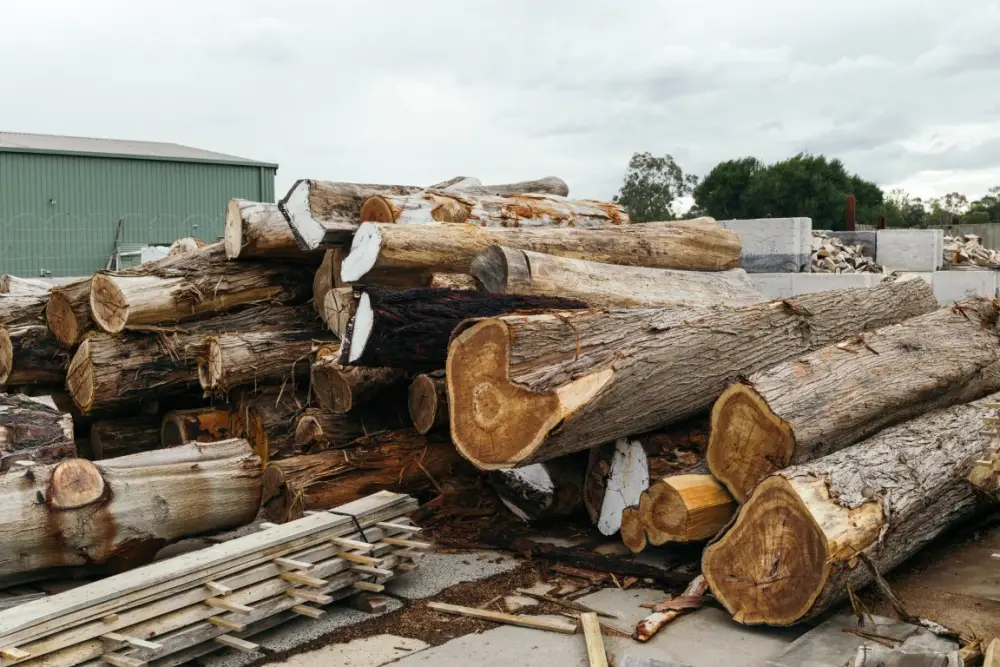
German Waste Wood Market Stable for Now, but Winter Outlook Raises Concerns
Editor WoodBusinessPortal.com team - research, 2026 - september, 28
Germany`s waste wood market remains broadly calm and balanced, but industry participants are becoming increasingly cautious about supply, demand and inventory conditions ahead of the 2026-2027 winter season.
Current market stability is being supported primarily by reduced demand from biomass power plants. With several facilities operating below normal intake levels or limiting purchases, waste wood processors have generally been able to place available volumes without major nationwide disruption.
The situation is not uniform across Germany. Regional exceptions, including parts of the Ruhr area, demonstrate that local power plant demand, collection volumes, transport distances and available storage capacity can still produce different market conditions for recycled wood, recovered timber and processed waste wood chips.
🌲 Reduced biomass demand keeps the market balanced
Lower consumption by biomass plants is currently limiting competition for waste wood. This has helped maintain a relatively balanced relationship between incoming material and available recovery capacity, particularly after the supply pressure experienced during the colder months at the beginning of 2026.
An extended cold period earlier in the year depleted winter inventories at a faster rate than many companies had planned. As temperatures improved and energy demand declined, pressure eased and the German waste wood market returned to a calmer position.
For wood recyclers and waste management companies, the current environment provides a temporary opportunity to reorganise storage, processing and delivery schedules. For biomass operators and wood-based panel manufacturers, however, the situation requires continued monitoring because market balance depends heavily on the operating schedules and purchasing strategies of large consumers.
♻ Winter inventory rebuilding may tighten the waste wood market
The main concern is whether the market can build sufficient stocks before colder weather increases demand for biomass fuel. If power plants raise purchasing volumes while waste wood arisings remain limited, competition for suitable material could increase quickly.
Waste wood supply is closely linked to construction, demolition, furniture production, packaging flows, industrial activity and municipal collection. A weak economy can reduce the generation of recovered wood even when energy users are preparing for higher winter consumption.
This creates a potential imbalance: processors may need to secure larger inventories at the same time as the availability of clean and processed waste wood remains uneven. The risk is particularly relevant for facilities that depend on specific waste wood categories, consistent fuel quality or short-distance regional supply.
🪵 Prices remain stable, but regional differences matter
No broad nationwide price movement is currently dominating the German waste wood market. Commercial conditions continue to depend on wood category, contamination level, processing requirements, transport costs and the distance between collection points, recycling facilities, panel plants and biomass power stations.
Clean recovered wood suitable for material recycling may follow different price dynamics from treated waste wood intended mainly for energy recovery. Particleboard and other wood-based panel producers compete for selected recycled wood grades, while biomass plants absorb substantial volumes of processed wood fuel.
Germany`s waste wood energy sector has considerable influence on the wider wood recycling market. According to the German Waste Wood Association, more than 6.5 million tonnes of waste wood are used annually as fuel by 74 waste wood power plants. This scale means that changes in plant utilisation can quickly affect inventories, transport demand and regional prices.
🪚 Implications for the wood products and panel industry
The winter outlook is relevant not only for recyclers and biomass operators, but also for manufacturers of particleboard, wood panels and other products that use recovered wood as an industrial raw material.
A tighter waste wood market could raise procurement and logistics costs or reduce access to suitable recycled material. By contrast, prolonged low biomass demand could improve availability for material recycling, although the effect would vary by waste wood grade and region.
The development should therefore be evaluated within the wider European circular wood economy. Wood industry professionals can review WoodBusinessPortal.com`s analysis of the European reclaimed wood and recycled lumber market, as well as its overview of European wood, lumber, biomass and price trends.
Outlook: a stable market with limited room for disruption
The German waste wood market appears stable for the moment, but the balance may be temporary. Winter temperatures, biomass plant operating rates, economic activity, collection volumes and inventory-building decisions will determine whether the market remains calm or shifts toward tighter supply.
Companies active in waste wood recycling, biomass energy, panel production and wood products should monitor regional rather than only national indicators. Storage levels, power plant maintenance, freight availability and changes in local construction or demolition activity may provide earlier warning of price or supply pressure.
Follow WoodBusinessPortal.com for market intelligence covering wood, recycled wood, biomass, timber and wood products.
Track wood prices, imports, exports, forecasts and trends affecting the international wood industry, wood recycling companies, biomass operators and manufacturers of wood-based products.
Use the WoodBusinessPortal.com marketplace for wood, biomass, wood waste and wood products to identify buyers, compare suppliers and publish B2B purchase requests or sales offers.
Monitor market changes. Identify new partners. Develop international opportunities through WoodBusinessPortal.com.
Sources:
EUWID Recycling and Waste Management
German Waste Wood Association
Alder BioInsights