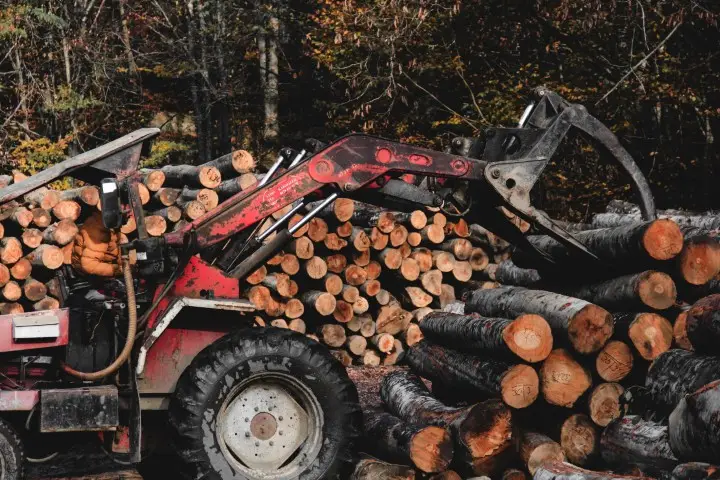
European hardwood sawmills push for more local processing of logs
Editor WoodBusinessPortal.com team - research, 2026 - october, 20
Europe`s hardwood sawmill industry is calling for economic and regulatory conditions that encourage a larger share of hardwood logs to be processed within Europe instead of being exported as unprocessed raw material. 🪵
The issue has returned to the attention of European policymakers following discussions involving representatives of the European Organisation of the Sawmill Industry (EOS), the German timber industry and private-sector companies. The debate focuses on log supply, sawmill competitiveness and strengthening European wood value chains.
Keeping more added value within the European wood industry
European hardwood producers argue that exporting significant volumes of logs without processing them locally can reduce the availability of raw material for European sawmills and transfer part of the potential added value to markets outside Europe.
Local processing of oak, beech, ash, maple and other hardwood species supports not only lumber production, but also kiln drying, planing, flooring, veneer, furniture manufacturing and other higher-value wood products. 🏭
According to international wood industry sources, EU countries continue to export substantial volumes of hardwood logs outside the bloc, with Asian markets remaining important destinations for European hardwood raw material.
Competition for hardwood logs is becoming a strategic issue
For European sawmills, the challenge is not only the total amount of wood available, but also economically viable access to high-quality hardwood logs. International buyers can compete directly with European processors for certain grades and species, particularly oak logs and other hardwoods that are in strong demand on Asian markets.
At the same time, energy costs, labour costs, transport expenses and regulatory compliance continue to affect the competitiveness of European wood processing companies.
Industry representatives are therefore calling for conditions that support investment in modern and efficient sawmilling capacity while ensuring a predictable supply of wood raw material.
Companies looking for timber, hardwood lumber or other wood products can use WoodBusinessPortal.com to find wood suppliers and purchase opportunities across the international wood market.
Hardwood lumber production is beginning to recover
Recent figures from Germany and Austria indicate that parts of the European hardwood sawmill sector are already increasing production.
German hardwood sawmills processed approximately 1.29 million m³ of logs in 2025, around 3% more than in the previous year.
In Austria, hardwood sawmill production recorded stronger growth, increasing by approximately 15% compared with 2024.
Several producers are expected to maintain or increase production volumes during 2026, potentially increasing competition for available hardwood logs. 🌲
What could this mean for wood and timber prices?
If European manufacturers succeed in processing a larger proportion of hardwood logs locally, the effects on wood prices and hardwood lumber markets could vary significantly depending on species, quality and region.
For sawmills, a more stable supply of logs could reduce procurement risks and improve capacity utilisation.
For forest owners and timber suppliers, competition between European and international buyers may continue to support prices for premium-quality hardwood logs.
For furniture, flooring and other wood product manufacturers, greater local processing could increase the availability of European hardwood lumber and semi-finished wood products, potentially reducing dependence on imported materials that may have originated from European logs exported earlier in the supply chain.
From exporting logs to exporting higher-value wood products
The position increasingly promoted by European hardwood sawmills is based on extending the wood value chain inside Europe:
logs - hardwood lumber - semi-finished wood products - finished wood products.
From this perspective, exporting hardwood lumber, flooring, furniture components or finished wooden products can generate more economic value than exporting logs as raw material.
However, any policy affecting the movement of timber must also take into account EU single-market rules, international trade, forest owners` interests and the need to maintain competitive wood markets.
For this reason, current industry discussions focus mainly on improving the competitiveness of European wood processing and strengthening local supply chains rather than simply introducing administrative restrictions on log exports.
Business opportunities across the international wood market
Changes in international hardwood log trade can directly influence timber prices, hardwood lumber availability, wood imports, wood exports and the cost of finished wood products.
For sawmills, timber traders, importers, exporters and manufacturers, monitoring these developments is becoming increasingly important when planning procurement and sales strategies.
🪵 Follow WoodBusinessPortal.com for international wood industry news, market developments, timber trends, imports, exports and business opportunities.
📈 Looking to buy hardwood, timber, lumber or other wood products? Use WoodBusinessPortal.com for wood purchasing and supplier searches and connect directly with manufacturers and suppliers.
🤝 Looking for new customers for your wood products? Visit WoodBusinessPortal.com`s wood selling opportunities to find purchase requests and promote your timber, lumber and wood products to international buyers.
Sources
European Organisation of the Sawmill Industry - EOS
Timber-Online
Wood Central