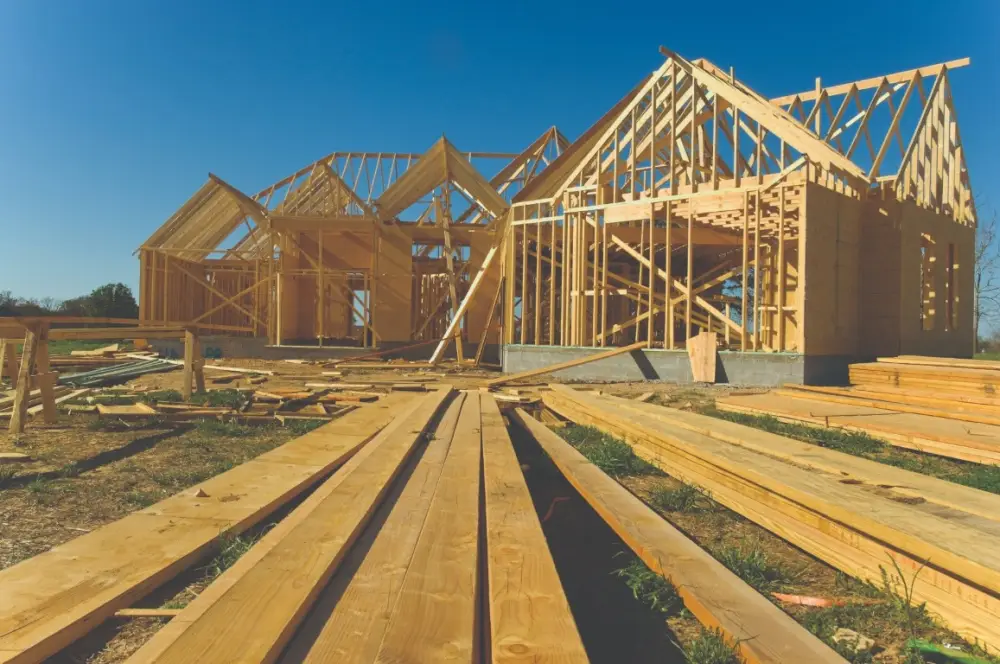
Wood Construction Production in Europe: Market Trends and Outlook for 2026-2027
Editor WoodBusinessPortal.com team - research, 2026 - november, 12
Europe`s wood construction industry is undergoing significant changes, driven by increasing interest in sustainable building materials, prefabricated timber structures and engineered wood products. However, the development of the European timber construction market remains closely linked to construction investment, raw material availability, financing conditions and timber prices.
European Construction Market: Signs of Recovery in 2026
🌲 According to the FIEC Statistical Report 2026, total construction investment in the European Union declined by 2.5% in 2024 and 2.1% in 2025 in real terms. A moderate recovery of 2.7% is forecast for 2026, supported by improving investment conditions in building construction and renovation.
These figures cover the overall construction industry rather than wood construction alone. Nevertheless, the expected recovery could create additional opportunities for wood manufacturers, timber suppliers, sawmills and producers of engineered wood products.
Leading European Markets for Wood Construction
Germany and Austria have well-established industries producing structural timber, engineered wood components and prefabricated wooden buildings. In Nordic countries such as Sweden and Finland, timber remains an important construction material, particularly in residential buildings.
France and other European markets also offer opportunities for industrialised timber construction, depending on national building regulations, investment activity and demand for sustainable construction solutions.
🏗 Products with development potential include cross-laminated timber (CLT), glued laminated timber (glulam), structural lumber, OSB panels, timber frames and prefabricated wooden houses.
Timber Prices and Wood Construction Production Costs
The competitiveness of European wood construction manufacturers depends on several factors, including log availability, sawmill production capacity, energy costs, kiln-drying expenses, transportation and market demand.
Industry professionals closely monitor softwood lumber prices, structural timber costs, engineered wood prices and wood-based panel markets. Regional differences in raw material availability and processing costs can significantly influence the competitiveness of timber exporters and wood product manufacturers.
Companies seeking competitive timber prices and reliable wood suppliers can explore wood industry buying requests and selling offers on WoodBusinessPortal.com.
Wood Imports, Exports and International Trade Opportunities
📦 International trade in wood products for construction includes sawn timber, structural beams, wood panels, prefabricated components and wooden buildings.
European timber markets are influenced by domestic construction activity, raw material availability, production costs and international demand. These factors affect trade flows between major wood-producing countries and importing markets.
Potential opportunities for manufacturers and exporters include structural softwood, kiln-dried lumber, glulam beams, prefabricated timber elements, roofing components and wooden house systems.
Product quality, certification, competitive pricing and reliable delivery schedules remain important requirements for long-term international B2B partnerships.
Manufacturers, importers and distributors can discover business partners through the international wood industry company directory on WoodBusinessPortal.com.
Wood Construction Market Outlook for 2026-2027
The medium-term outlook for Europe`s timber construction sector is influenced by three major trends: industrialised wood construction, growing demand for value-added engineered wood products and investment in energy-efficient buildings.
A gradual recovery in residential construction could support demand for sawn timber, CLT panels, glulam beams and prefabricated wooden structures. Nevertheless, market growth will depend on financing conditions, building permits, material costs and the availability of skilled labour.
The outlook for 2027 remains conditional on broader economic developments. A uniform growth rate for the entire European wood construction industry cannot currently be established from general construction statistics.
Business Opportunities for the European Wood Industry
🌿 For wood manufacturers, timber exporters, sawmills and wood product distributors, expanding production towards structural timber and prefabricated wood components may create opportunities to increase added value and access new international markets.
Looking for timber buyers, wood suppliers or international business partners? WoodBusinessPortal.com connects companies across the global wood industry.
Promote your wood products, structural timber, lumber, engineered wood and wooden construction components. Publish your wood buying requests and selling offers for free on WoodBusinessPortal.com.
Expand your international visibility, identify commercial opportunities and build new B2B partnerships in the wood and timber industry.
Sources and References
FIEC - Statistical Report 2026, European construction investment and forecasts.
UNECE - Forest Tracks 2025/2026, European forest products markets.
Eurostat - Annual construction production statistics.